Centre for Climate Change
and Sustainability Education
UCL Logo
About Schools for Sustainable…...
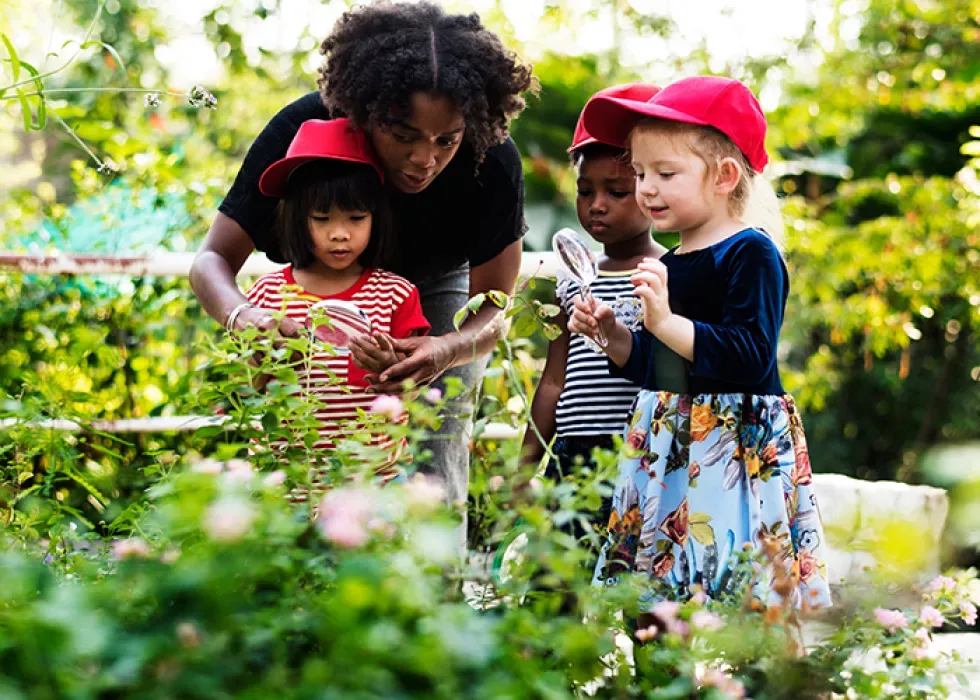
Adult helping young children explore plants with a magnifying glass in a school garden
About the Schools for Sustainable Futures Programme

Our new programme supports schools to embed climate change, nature and sustainability across the curriculum in ways that are meaningful and engaging for teachers and young people. We are piloting the programme fully this year and applications to join next year’s programme will open in the spring.

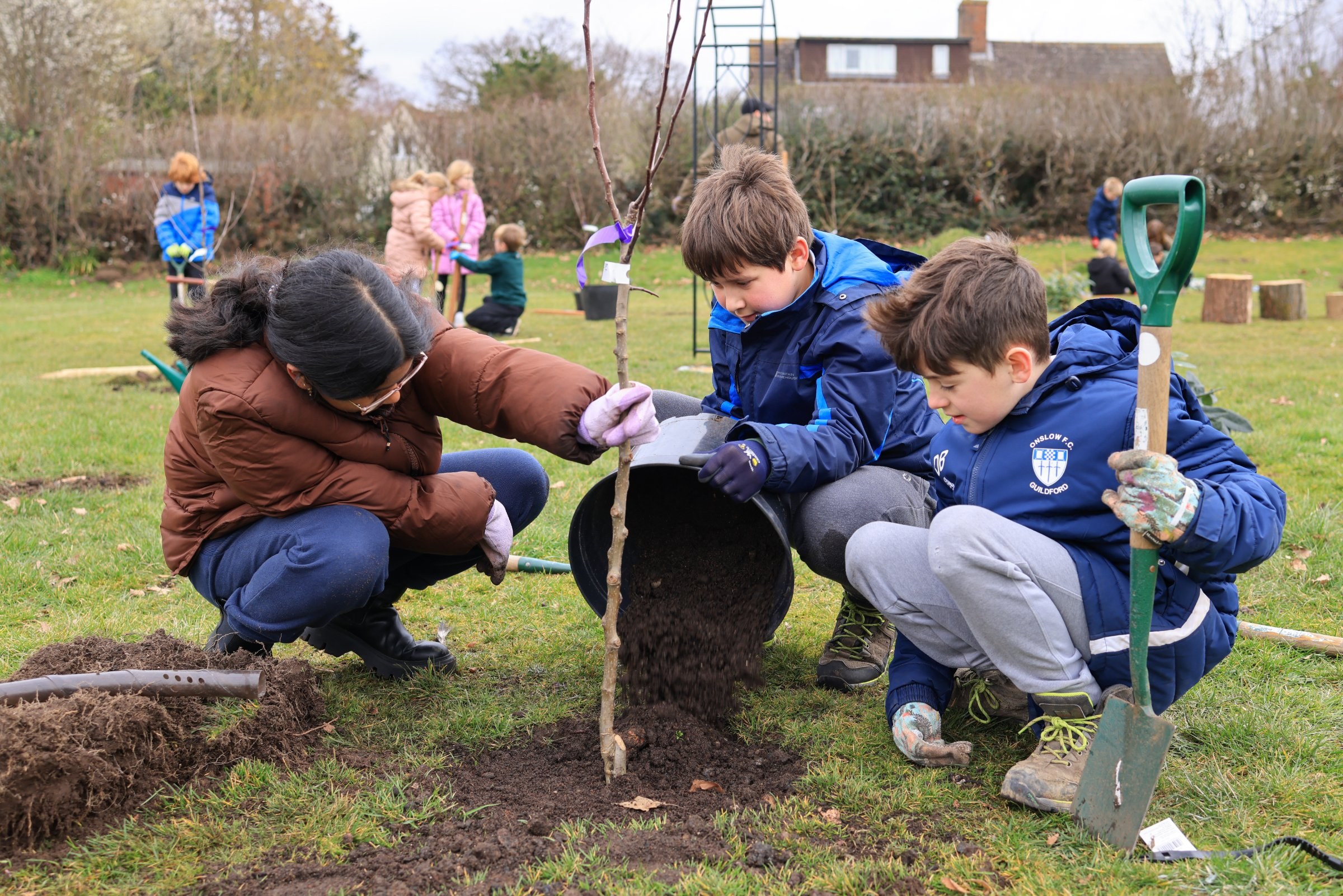
Tree planting at Queen Eleanors School Guildford 6 March 2023
A flexible programme

During the programme, schools develop a manageable project which embeds climate change, nature and sustainability education into the curriculum. This could range from small-scale (e.g. a sequence of lessons in one or two subjects) to larger projects involving the whole school. The scale of the project is less important than the quality and schools are strongly encouraged to adopt approaches that suit their context.

Andrew Rutter
Support from UCL partners

Each school is supported throughout the year by a UCL partner from the Centre for Climate Change and Sustainability Education. In addition, school representatives attend a full day of free training at the start of the programme and are invited to a celebratory event at the end of the year.

RHS Campaign for School Gardening 227
Would you like to be one of the pilot schools?

Applications to join the programme for 2027-28 will open in the spring. To receive notification, please sign up to our newsletter here.

Find out more about the programme

The principles underpinning the Schools for Sustainable Futures programme
  • Every subject plays a distinctive role in helping young people understand and respond to the climate and nature crises, enhancing both the subject and students’ overall understanding.
  • Knowledge is essential, but so are skills and values. Young people should not only understand issues relating to climate change, nature and sustainability, but care about others and the natural world, feel able to take action and think creatively and collaboratively about building a more just and sustainable future.
  • Participatory teaching approaches, with a strong emphasis on oracy, are vital. Effective learning about issues of climate change and sustainability requires opportunities for discussion, the application of knowledge, and creative approaches which may include learning outside the classroom.
  • All teachers are curriculum makers who can shape how issues relating to climate change, nature and sustainability are taught, whether through small or significant changes. UCL’s work focuses on supporting teachers to make meaningful impact through their classroom practice.
  • The programme must be manageable and affordable. Schools are supported to choose approaches that balance ambition with realistic expectations and staff capacity.
  • Schools for Sustainable Futures is a partnership between schools and UCL. By working collaboratively and learning from diverse approaches, the programme contributes to a deeper understanding of how climate change, nature and sustainability can be embedded across the curriculum.
How does the programme work?

The programme runs initially for one academic year, with opportunities for continued involvement thereafter. At its core is a curriculum innovation project developed by each school with support from a UCL partner (rather like a mentor) and the wider Schools for Sustainable Futures community. Projects can range from small-scale (for example, a short sequence of lessons in one or two subjects) to whole-school initiatives but should be manageable and achievable within the year. A Project Lead should be identified and supported by a small Steering Group within the school. This may be just one additional colleague in smaller schools or several members of staff in larger schools.

Schools will collect light-touch evidence of impact to inform a case study for the UCL website, with support from their UCL partner.

Accreditation

Schools that complete the programme will be recognised as a UCL School for Sustainable Futures, receiving a certificate, a logo and a letter to the headteacher. All participating teachers will receive a certificate and have an opportunity to join a network of Associate Teaching Fellows of UCL’s Centre for Climate Change and Sustainability Education.

Why should my school get involved?

If you are interested in embedding climate change, nature and sustainability into your curriculum, the programme offers:

  • Free support from a UCL partner throughout the year.
  • Access to the experience and expertise of pre-pilot schools.
  • Membership of a community of schools leading curriculum innovation.
  • A full day of free training at UCL.
  • The opportunity to join the network of Associate Teaching Fellows of UCL’s Centre for Climate Change and Sustainability Education.
  • Support to raise the profile of sustainability education within your school and engage senior leaders.
What might a year-long project look like?

Here are some examples of projects completed by the pilot schools this year.

St Patrick's Primary School in Liverpool is committed to connecting children to the natural world around them. The school's sustainability lead works with colleagues to build a strong sustainability focus into the school curriculum. The teachers at St Patrick's began by enhancing a local history enquiry, providing a stronger focus on the changing natural environment of the school's neighbourhood. The following year, they built on this work as part of the Schools for Sustainable Futures pre-pilot by developing an interdisciplinary enquiry combining geography and art to develop Year One children's thinking about the local area from the perspective of 'Bobby Blackbird'.

The Chase Secondary School in Malvern is committed to developing interdisciplinary approaches when teaching the ecological crisis. For their cross-over topic for the UCL Schools for Sustainable Futures pre-pilot, they spotted that their Year Eight class reader in English, following a climate migrant living in a world with water scarcity, is taught at a similar time to the water cycle in science and environmental management in geography. They subsequently collaborated on a sequence of starter tasks with the aim of strengthening climate related vocabulary and concepts for students across these subjects.

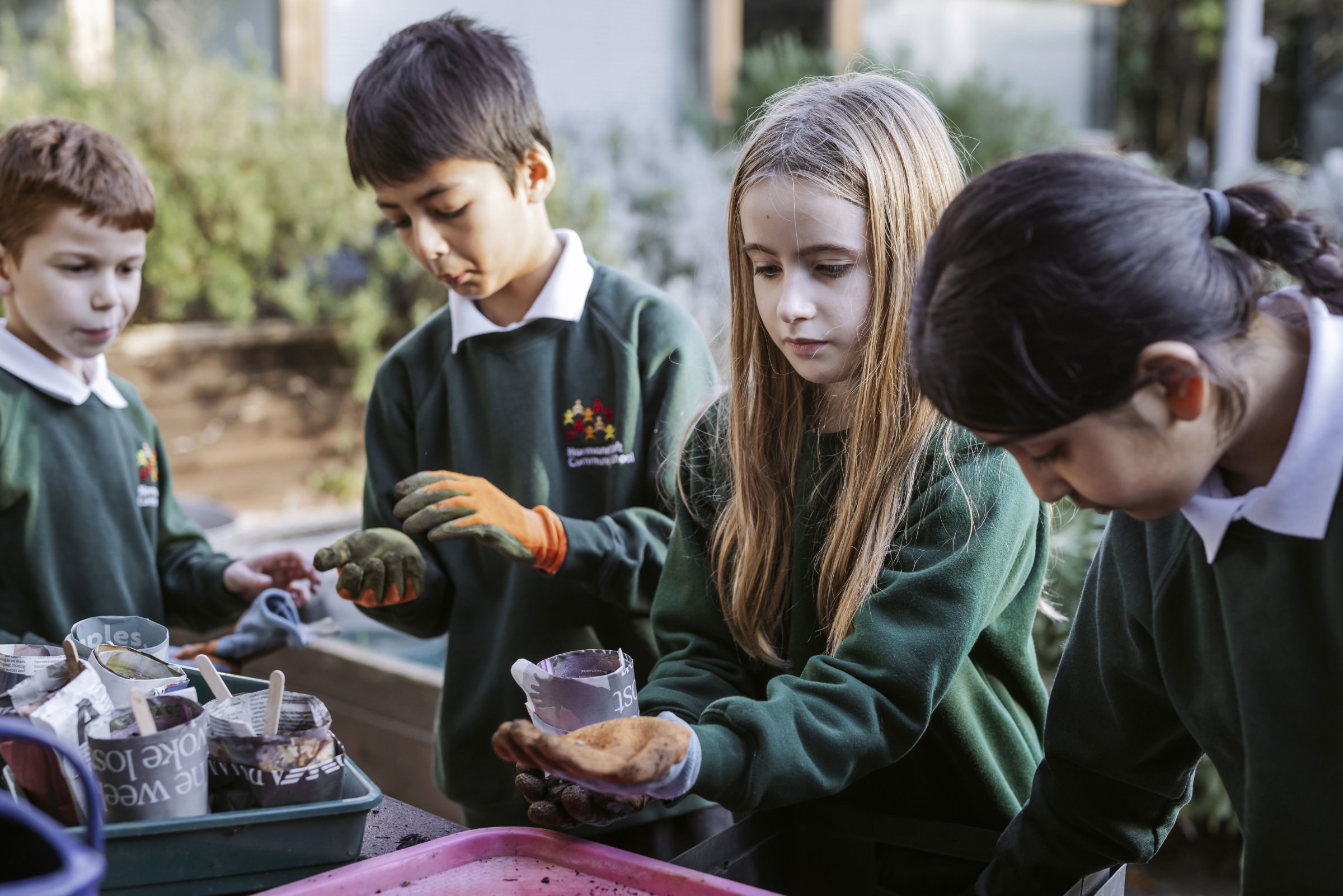
West Lodge Primary School in Harrow explored composting food waste across the curriculum with Year Three pupils. They developed two enquiry questions to guide their project: How do we make compost? and Why do we make compost? The project shows how small changes in thinking about everyday waste can lead to meaningful improvements in personal sustainability practices.

As a school community, Woodford County High School in London had been gradually developing sustainability linked activities, CPD and lessons over a period of three years. They then took part in the UCL Schools for Sustainable Futures pre-pilot and built on this work to involve colleagues from MFL, history and science. They worked collaboratively to introduce the theme of water and its importance in order to extend existing curriculum topics. This approach stimulated great student discussions, helping them to make cross-curricular connections, encouraging systems thinking and developing solution-based learning.

In Cragside Primary School in Northumberland, Year Two pupils completed a curriculum project exploring the biodiversity of their school grounds and identifying rewilding practices to enhance it. The lead teacher created a ‘Floor Book’ to present the activities in an accessible and manageable way.